
There’s a strange thing that happens on a trek.
You spend weeks looking forward to it. You wake up early, travel for hours, walk uphill, sweat through your clothes, and finally reach the point you’ve been aiming for.
Then, sometimes, you realize you’ve spent most of the day thinking about one thing:
“How much longer until we reach the top?”
Reaching the summit feels good. There’s a genuine sense of achievement in standing at the highest point of a trail and looking back at how far you’ve come.
But a trek is much bigger than the summit.
If reaching the top becomes the only thing that matters, you can miss almost everything that made the journey worth taking in the first place.
The Summit Is Only One Part of the Trek
A summit is a destination.
A trek is an experience.
Between the trailhead and the summit, there are forests, changing landscapes, conversations, unexpected views, wildlife, weather, difficult climbs, quiet moments, and the simple rhythm of walking.
You might remember the summit photograph for a few years.
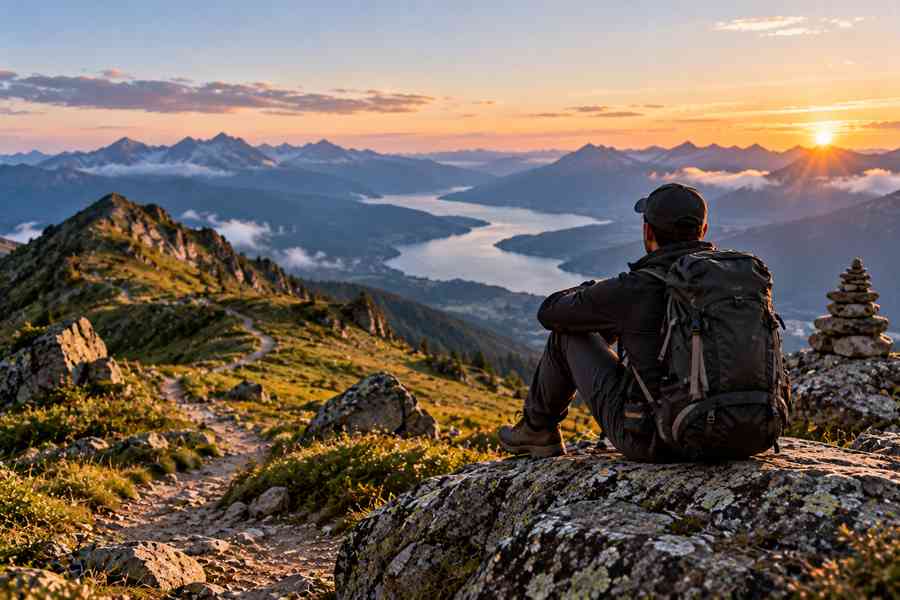
But you may remember much longer the moment you stopped on a quiet trail, looked across a valley, and realized there wasn’t a building or traffic noise anywhere around you.
Those moments aren’t measured in kilometres or elevation gain.
Don’t Turn the Trek Into a Race
One of the easiest ways to stop enjoying a trek is to constantly compare your pace with someone else’s.
Someone passes you.
You speed up.
Someone in your group reaches the next viewpoint before you.
You feel like you’re falling behind.
Eventually, you’re no longer walking because you enjoy walking. You’re walking because you feel like you have something to prove.
Unless you’re participating in an actual timed event, there’s usually little reason to treat a recreational trek like a race.
Find a pace that you can maintain.
A sustainable pace will often get you farther than repeatedly pushing yourself hard and then needing long recovery breaks.
Look Around While You’re Walking
It’s surprisingly easy to spend an entire trek staring at the ground.
And sometimes you need to.
Rocky or steep sections require attention, especially when your footing matters.
But when the trail becomes easier, remember to look up.
Notice how the landscape changes as you gain elevation.
Look at the vegetation.
Listen to the birds.
Notice the temperature dropping as you climb.
Watch clouds move across the mountains.
The scenery isn’t an interruption to the trek.
It is the trek.
Take Breaks Before You Completely Exhaust Yourself
Beginners often think taking breaks means they’re not fit enough.
It doesn’t.
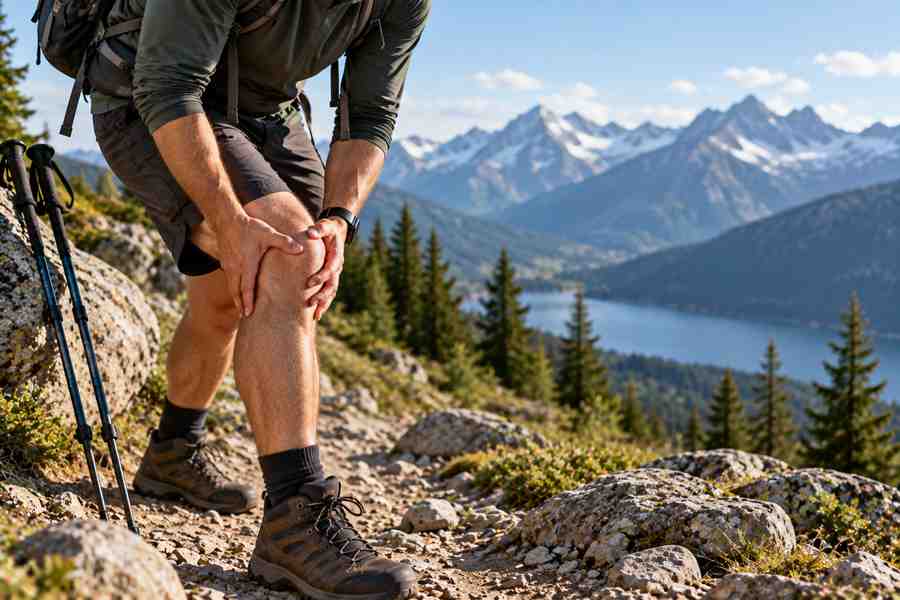
A short break can help you drink water, eat something, adjust your clothing, check your feet, and recover before fatigue becomes a problem.
There’s a difference between resting because you need to and stopping every few minutes because you’re struggling to maintain an unsustainable pace.
The goal is to find a rhythm.
Walk.
Rest briefly.
Eat and drink when appropriate.
Walk again.
You don’t have to wait until you’re completely exhausted before giving your body a chance to recover.
Don’t Let the Summit Make You Ignore the Weather
This is where summit-focused thinking can become dangerous.
You may have spent months planning a trek.
You may have traveled a long distance to reach the trail.
You may be only an hour from the summit.
And then the weather changes.
It can be difficult to accept that you might need to turn around after investing so much time and effort.
But the mountain doesn’t care how much you’ve already invested.
If conditions become unsafe, reaching the summit isn’t worth forcing the situation.
A successful trek isn’t defined only by reaching the highest point.
Sometimes the best decision you make all day is deciding not to continue.
The Descent Counts Too
There’s another mental trap: treating the summit as the finish line.
It’s not.
If your trek is taking you back to the trailhead, you still have to get down.
And descending can be surprisingly demanding.
Your legs may already be tired. Your concentration may be lower. Loose rocks and uneven surfaces can become more difficult to navigate.
Don’t spend all your energy celebrating at the summit and then rush the descent.
Take your time.
Watch your footing.
Stay hydrated.
Keep enough daylight and energy in reserve.
Take Photographs — But Don’t Spend the Whole Trek Taking Them
Photographs are part of modern trekking.
There’s nothing wrong with wanting to capture the view.
But there’s a difference between taking a few photographs and experiencing the entire trail through a phone screen.
Sometimes put the camera away.
Stand still.
Look at the landscape without trying to frame it.
You may discover that the scene looks better in your memory than it ever could on your phone.
Leave Room for Unplanned Moments
Some of the best parts of a trek can’t be scheduled.
Maybe you discover a small viewpoint that wasn’t mentioned in the itinerary.
Maybe you stop for ten minutes because the clouds suddenly clear.
Maybe your group ends up having a ridiculous conversation halfway up the mountain.
Maybe you meet another trekker who recommends a completely different trail for your next trip.
If you’re obsessed with maintaining a strict schedule, you can miss these moments.
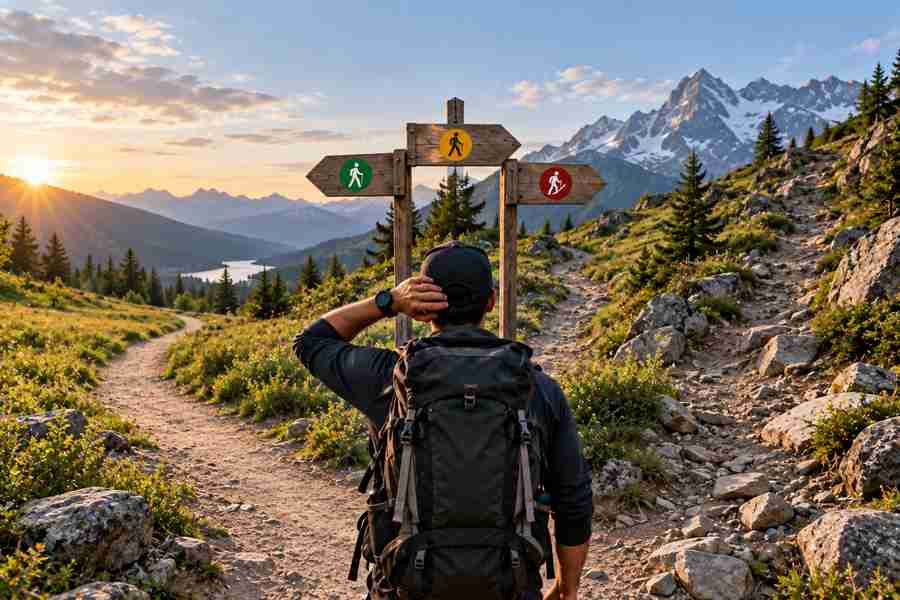
Planning is important, especially when weather, daylight, and safety are involved.
But within that plan, leave some room to simply experience the trail.
Don’t Measure the Day Only by the Summit
Imagine two trekkers.
The first reaches the summit quickly but spends the entire day exhausted, frustrated, and worried about keeping up.
The second takes a slower pace, stops to enjoy the views, talks with friends, notices the changing landscape, and reaches the summit later.
Both technically completed the same trek.
But they experienced completely different days.
Distance, elevation gain, and summit photographs are easy to measure.
Enjoyment isn’t.
The Summit Will Still Be There in the Photograph
When you finally reach the top, take the photograph.
Celebrate it.
Enjoy the view.
You’ve earned the moment.
But don’t immediately start thinking about the next target.
Look back at the trail you just walked.
Think about the parts you enjoyed.
Remember the difficult section you managed to get through.
Notice how different the landscape looks from up there.
Then, when you’re ready, start the journey down.
Because years from now, you may remember reaching the summit.
But what you’ll probably remember most clearly is how the entire day felt.
A Good Trek Isn’t Measured Only by What You Achieve
There’s nothing wrong with wanting to reach the summit.
Goals are part of what makes trekking exciting.
But the summit shouldn’t become so important that everything before it becomes something you simply have to endure.
Walk at a sustainable pace.
Pay attention to the trail.
Take sensible breaks.
Respect changing weather.
Talk to the people you’re with.
Look around.
Put your phone away occasionally.
And give yourself permission to turn around if conditions demand it.
The summit is a point on the map.
The trek is everything that happens between the beginning and the end.
And if you come home remembering the journey just as much as the destination, you’ve probably experienced the trail the way it was meant to be experienced.