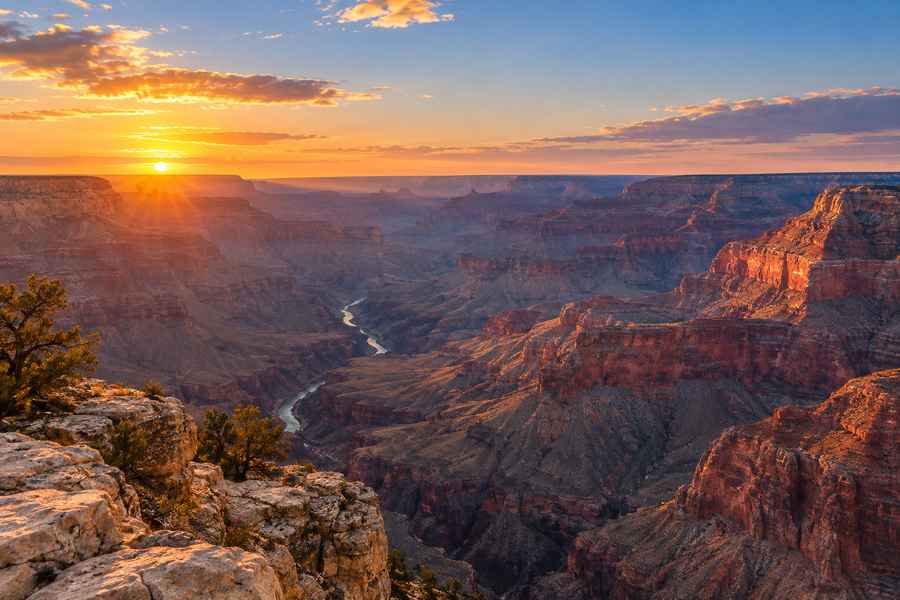

America’s most famous national parks are famous for a reason. Yosemite has enormous granite walls and waterfalls, Yellowstone has geothermal landscapes and wildlife, the Grand Canyon barely needs an introduction, and Great Smoky Mountains offers miles of forested trails. The problem is that popularity changes the experience.
In 2025, the National Park Service recorded more than 323 million recreation visits across its sites, showing just how strong the demand for America’s public lands has become.
That doesn’t mean you have to avoid the famous parks. Sometimes the best approach is simply to look beyond the obvious destination. Across the country, there are parks, preserves and monuments with dramatic landscapes, excellent trails and far fewer people competing for the same viewpoint.
These aren’t perfect substitutes. They shouldn’t be. Each has its own character. But if what you’re really looking for is space, scenery and a little more time to yourself, they’re worth knowing about.
If Yosemite Feels Too Busy, Look Toward Devils Postpile
Yosemite can be difficult to experience quietly during the busiest parts of the year. Its most famous viewpoints and trails attract enormous numbers of visitors, particularly around the Yosemite Valley.
A very different experience can be found at Devils Postpile National Monument, also in California. The landscape is smaller in scale, but it has something that Yosemite doesn’t: a remarkable geological feature that feels almost unreal. The monument is known for its unusual basalt columns, while nearby Rainbow Falls provides another destination for hikers.
The National Park Service specifically recommends Devils Postpile as an alternative for people looking to escape the summer crowds at Yosemite.
The appeal isn’t that it is “better” than Yosemite. It’s that you can trade enormous granite walls and one of America’s most famous valleys for a quieter day exploring a very different landscape.
If Yellowstone Is on Your List, Consider Lake Clark
Yellowstone is one of the most recognizable landscapes in the United States, but its popularity can make solitude difficult to find during busy periods.
In Alaska, Lake Clark National Park and Preserve offers an entirely different kind of wilderness. Mountains, clear lakes, rivers and wildlife dominate the landscape, and the park is far less developed and visited than America’s most famous national parks.
The National Park Service describes Lake Clark as a less-crowded alternative to destinations such as Denali and Yellowstone. It is also home to bears, moose and eagles, making wildlife one of the major attractions.
Lake Clark isn’t a place you visit for a quick drive through a scenic loop. The experience is much more about wilderness and getting away from developed tourist infrastructure. For someone who values remoteness as much as scenery, that difference can be the entire point.
If the Grand Canyon Feels Too Familiar, Try Black Canyon of the Gunnison
The Grand Canyon is so famous that it can be difficult to imagine another canyon making a similar impression. Black Canyon of the Gunnison in Colorado takes a different approach.
The canyon is narrower, darker and more dramatic in a different way. Its steep walls drop sharply toward the Gunnison River, creating a landscape that can feel almost enclosed compared with the enormous openness of the Grand Canyon.
The National Park Service includes Black Canyon of the Gunnison among its lesser-known destinations, highlighting its steep cliffs, unusual rock formations and changing colors.
You shouldn’t arrive expecting a smaller version of the Grand Canyon. That would miss what makes Black Canyon interesting. Its character comes from the darkness and verticality of the cliffs rather than the enormous horizontal scale of Arizona’s most famous landscape.
If Zion Is Packed, Don’t Assume the Whole Region Is
Zion is another park where popularity can dramatically change the experience. The most famous areas can become crowded, especially during peak periods.
But this is also a good example of why “alternative” doesn’t always have to mean driving hundreds of miles to another national park.
Sometimes the better answer is to explore less-famous areas within or around the same destination. The broader landscape around southern Utah contains an enormous variety of trails, canyons, mesas and desert formations, and many visitors concentrate their time on a relatively small number of famous locations.
The lesson is useful beyond Zion: when a destination becomes crowded, don’t automatically assume that every trail and every landscape nearby will feel the same.
If Bryce Canyon’s Amphitheater Is Crowded, Go Beyond It
Bryce Canyon’s main amphitheater is spectacular, and it is also the area most visitors naturally want to see. The concentration of hoodoos makes it one of the most distinctive landscapes in the American Southwest.
But the park itself extends beyond that famous viewpoint area.
The National Park Service specifically recommends hikes outside the Bryce Amphitheater for visitors looking for more solitude. Areas along the Southern Scenic Drive offer forested trails and different geological scenery, and some can feel considerably quieter than the main amphitheater.
This is an important distinction when planning a trip. Sometimes you don’t need a different park. You simply need to move beyond the photograph everyone else came to take.
If Acadia Feels Crowded, Explore the Quiet Side
Acadia is one of America’s most popular coastal national parks, and the best-known areas of Mount Desert Island can become busy during peak travel periods.
The western side of Mount Desert Island offers a noticeably different atmosphere. The National Park Service actually calls this area “The Quiet Side,” with wooded mountains, lakes, ponds, coastline and hiking trails spread across a less-developed part of the island.
It is a good reminder that popular parks aren’t necessarily crowded everywhere. A little research can reveal a completely different side of the same destination.
If You Want Desert Without the Joshua Tree Crowds
Joshua Tree is one of the most recognizable desert destinations in California, but its popularity means that the busiest attractions can become crowded.
Mojave National Preserve offers another way to experience California’s desert landscape. It has enormous open spaces, sand dunes, Joshua trees and opportunities for hiking and camping.
The National Park Service specifically points to Mojave as an alternative to Joshua Tree and notes that the preserve contains more Joshua trees than Joshua Tree National Park.
The experience is different, though. Mojave feels much more expansive and remote, and the attraction isn’t necessarily one famous landmark. It’s the feeling of being surrounded by a huge desert landscape.
Great Basin Is a Different Kind of Nevada
Nevada is often associated with desert, but Great Basin National Park completely changes that picture.
The park combines mountain landscapes, ancient bristlecone pines, caves and high-elevation scenery. Wheeler Peak rises above the surrounding landscape, while the park’s changing seasons create very different experiences throughout the year.
Great Basin is also substantially less visited than America’s biggest national parks. The park recorded about 161,000 recreation visits in 2025, according to National Park Service statistics.
Even within Great Basin, timing matters. The National Park Service notes that fall generally offers good access without the summer crowds, while winter is the quietest season and brings a completely different experience.
For someone who wants mountains without the crowds associated with some of the West’s better-known destinations, Great Basin is an interesting place to put on the map.
Guadalupe Mountains Offers Wilderness in Texas
Guadalupe Mountains National Park doesn’t have the same household recognition as the Grand Canyon or Yellowstone, but it offers something those famous parks increasingly struggle to provide: a strong sense of space.
The park has more than 80 miles of trails and a largely roadless wilderness character. That doesn’t mean it is completely empty. The National Park Service notes that spring and fall weekends can still become busy enough for parking and developed camping areas to reach capacity.
Still, once you’re away from the busiest access points, the size of the landscape becomes apparent. It is a destination for people who want to spend time walking rather than simply moving between famous viewpoints.
Sometimes the Quiet Alternative Is Just a Different Trail
There’s another lesson hidden in all of this: you don’t always need to find a secret national park.
At Mount Rainier, for example, the National Park Service provides specific suggestions for exploring areas away from the famous Paradise and Sunrise destinations. The park has more than 270 miles of maintained trails, although even less-popular areas can become busy during peak periods.
Shenandoah takes a similar approach. The National Park Service maintains a list of hikes intended for visitors looking to get away from some of the park’s more crowded trails.
Even Sequoia and Kings Canyon have official recommendations for lesser-known hikes and viewpoints. One example is Eagle View, which offers a perspective similar to the much more popular Moro Rock with fewer people.
The point isn’t to find a place nobody knows about. The point is to stop assuming that the most famous viewpoint is automatically the best experience.
The Real Benefit Is Having More Space
Quiet doesn’t necessarily mean empty.
You may still encounter other hikers, full parking lots or busy weekends at some of these destinations. Even places that were once considered hidden gems can become popular once enough people discover them.
What changes is the character of the experience.
Instead of spending your morning waiting for a parking space, standing in a line or trying to take a photograph without dozens of people in the background, you may find yourself walking for an hour without seeing anyone. You may hear wind through the trees instead of traffic. You may reach a viewpoint and actually sit there for a while rather than immediately moving on.
That’s what makes these alternatives worth considering.
Don’t Go Somewhere Quiet Just to Recreate the Famous Park
The best approach is to choose a destination for what it actually offers.
Go to Black Canyon because you want to see its dark, steep walls. Visit Great Basin for its mountains and ancient bristlecone pines. Explore Mojave because you want the feeling of being surrounded by open desert. Consider Lake Clark because you’re looking for genuine wilderness and wildlife.
None of these places needs to become the next Yellowstone or Yosemite.
In fact, their value may be that they aren’t.
America has hundreds of national park sites and countless other public lands, trails and protected landscapes. The most famous names will always attract the most attention, but that doesn’t mean they contain the country’s only memorable outdoor experiences.
Sometimes the most rewarding trip is the one where you stop chasing the places everyone else is photographing and start looking for a landscape that gives you room to experience it at your own pace.