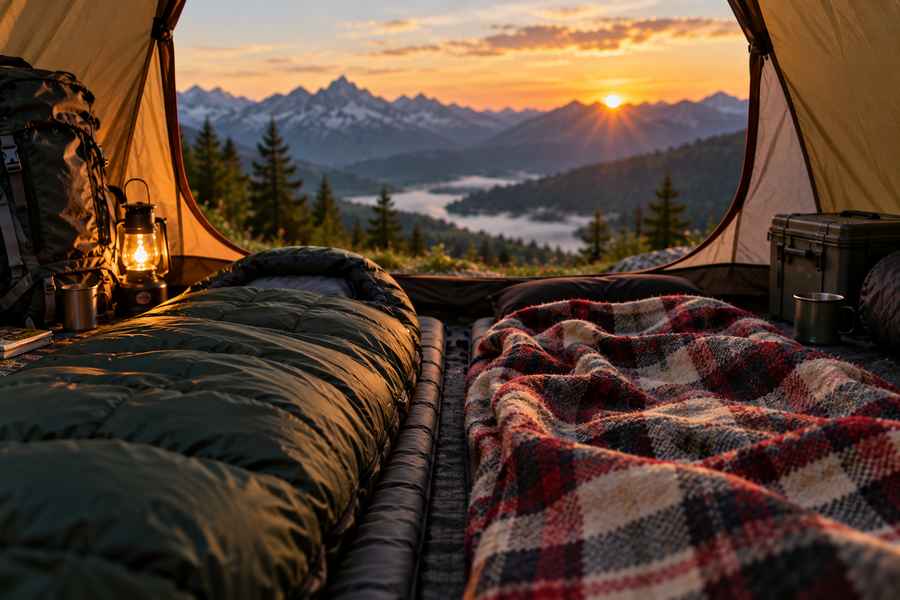
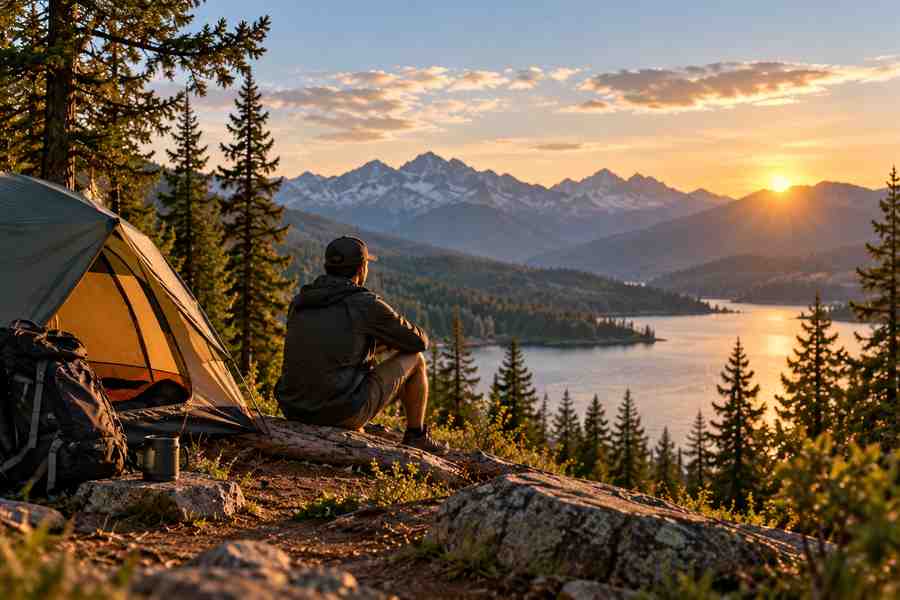
Choosing your first campsite can be harder than it looks. When you arrive at a campground, there may be several open spaces, each appearing perfectly suitable. One might have a beautiful view, another might be closer to the bathroom, and another might look more private.
But the prettiest spot isn’t always the best one.
For your first camping trip, focus on safety, drainage, comfort, and protection from the weather before worrying about the view. A few minutes of checking your surroundings can make a huge difference to your night outdoors.
Start With the Ground
The first thing to inspect is the ground where you’ll sleep.
Look for a reasonably flat and firm surface without large rocks, exposed roots, sharp sticks, or deep depressions. You don’t need perfectly level ground, but avoid obvious low spots where rainwater could collect.
Walk around the area before putting your tent down. Sometimes small rocks and roots aren’t obvious until you actually stand on the ground.
If the terrain has a gentle slope, position your tent so that your head is slightly higher than your feet. This can be more comfortable than sleeping completely sideways on a slope.
Most importantly, don’t rush this step. You’ll notice an uncomfortable rock much more at 2 AM than you will at 4 PM.
Pay Attention to Water
A campsite beside a lake or river can look incredible, but water is one of the biggest things to consider when choosing a camping spot.
Avoid pitching your tent directly beside a river, stream, or drainage channel. Water levels can rise quickly after heavy rainfall, including rain that falls several miles away upstream.
Look for signs that water has previously moved through the area. Mud, channels, washed-out soil, flattened vegetation, or a noticeable depression in the landscape can all indicate potential water flow.
Instead, choose slightly elevated ground with good natural drainage.
A simple rule is: enjoy the view of the water without sleeping in its drainage path.
Look Up Before Setting Up
After checking the ground, look above you.
Trees provide shade and shelter, but camping directly underneath damaged or dead trees can create unnecessary risks. Look for dead branches, cracked limbs, leaning trees, or other obvious signs of instability.
This becomes particularly important when strong winds or storms are expected.
You should also think about wind direction. An exposed campsite can become noisy and uncomfortable during windy conditions, while a naturally sheltered location can make the night much more pleasant.
However, don’t choose a dangerous location simply because it provides better protection from the wind.
Consider Sun and Shade
Think about where the sun will be during the day.
Morning sunlight can quickly heat up a tent, which may be useful if you’re an early riser but unpleasant if you want to sleep late. On the other hand, a campsite that stays completely shaded and damp may take longer to dry after rain.
If possible, choose a location with a balance of morning shade and enough sunlight for the area to dry naturally.
Think About Noise and Convenience
At an established campground, location affects how peaceful your night will be.
A campsite right beside a bathroom, entrance, road, or communal area may be convenient, but it can also mean more foot traffic and noise.
For your first camping trip, being reasonably close to toilets and other campers is often useful. You don’t need to find the most isolated spot in the campground.
Before setting up, spend a minute simply listening. Can you hear a busy road, generators, a loud river, or people gathering nearby?
Remember that a campsite can feel completely different after sunset.
Check for Signs of Wildlife
Wildlife is part of the camping experience, but you should avoid setting up directly in areas that appear to be heavily used by animals.
Look for tracks, droppings, burrows, feeding remains, or obvious trails through vegetation.
More importantly, manage your food properly. Never leave food, rubbish, or strongly scented items lying around your campsite.
Food-storage rules vary between parks and camping areas, so check the requirements for your specific destination. Some areas may require special wildlife-resistant storage.
Give Yourself Enough Space
Your tent shouldn’t be squeezed between trees, rocks, or other obstacles.
Leave enough space to enter and exit comfortably and to store your essential gear. If you’re camping with a larger tent, check the dimensions before choosing your spot.
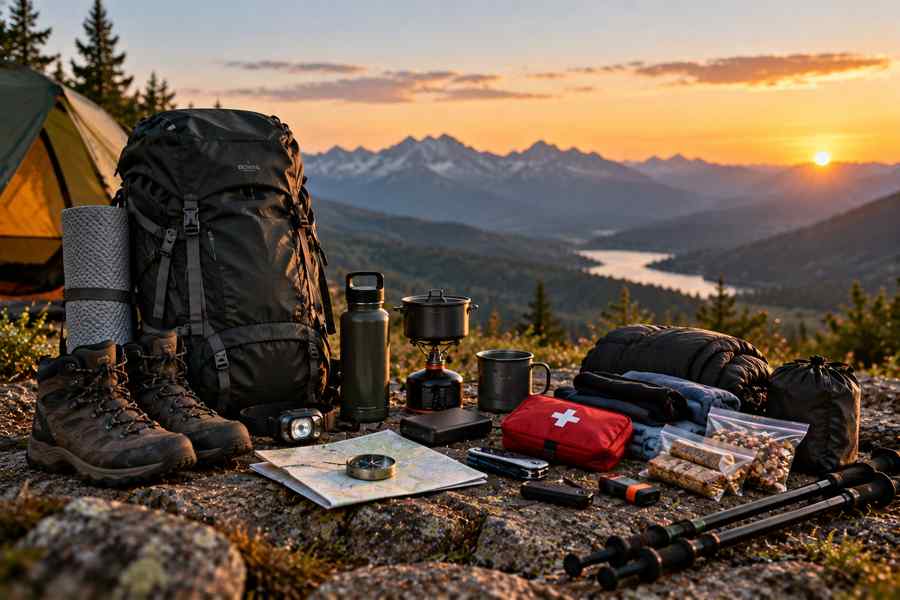
Think about where you’ll sit, cook, change clothes, and keep wet equipment if it rains.
A campsite that looks large enough for the tent alone may feel surprisingly cramped once all your gear is outside.
Do a Five-Minute Campsite Check
Before pitching your tent, take five minutes and ask yourself:
• Is the ground reasonably flat and comfortable?
• Could rainwater collect here?
• Am I too close to a river or stream?
• Are there dangerous branches overhead?
• Is the area exposed to strong winds?
• Are there signs of frequent animal activity?
• Will nearby people, roads, or facilities make the campsite noisy?
• Do I have enough space for my tent and gear?
If everything looks good, you’ve probably found a suitable campsite.
Don’t Chase the Perfect Spot
Your first campsite doesn’t need to have the most spectacular view or the most secluded location.
Prioritize safety, comfortable ground, good drainage, and protection from the weather. Once those basics are covered, choose the spot you enjoy looking at.
The best campsite is often the one you don’t have to think about once you’ve set up. You stay dry when it rains, sleep comfortably, feel secure, and wake up ready to enjoy the outdoors.
That’s exactly what you want from your first camping experience.