





Food is one of the most important things you carry on a camping trip, but it can also create problems if you don’t store it properly.
Leaving food beside your tent, throwing scraps into the campfire, or keeping snacks in an open backpack may seem harmless. In the outdoors, however, food smells can attract insects, rodents, birds, and larger wildlife.
Good food storage has two goals: keep your food safe to eat and prevent animals from associating campsites with food.
The right method depends on where you’re camping, what wildlife is present, and the rules of the area. Here’s how to handle food safely without making camping unnecessarily complicated.
Don’t Keep Food Inside Your Tent
This is one of the simplest rules to follow.
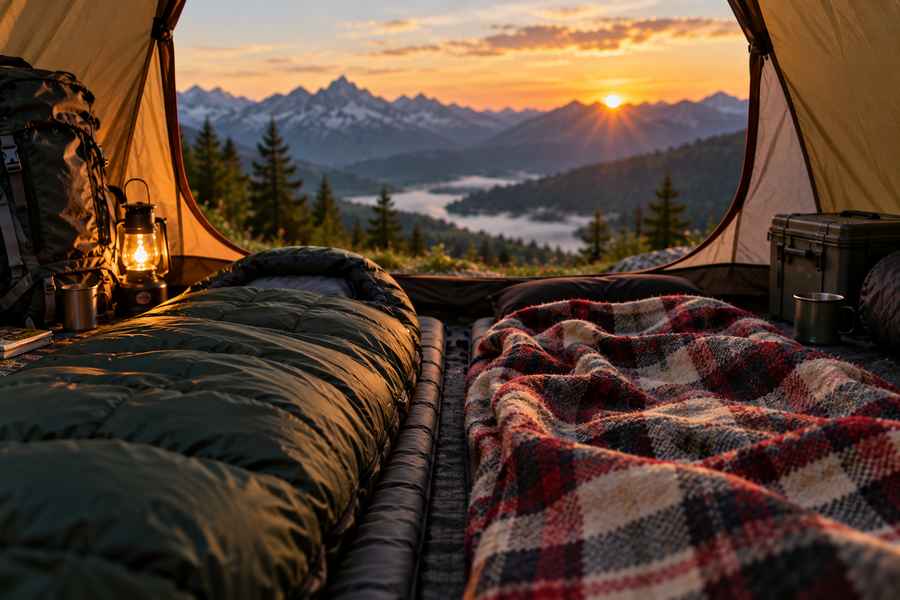
Don’t eat, cook, or store food inside your sleeping tent unless the campsite rules specifically provide a suitable system designed for it.
Even packaged food can have a smell. Snacks, leftovers, and cooking ingredients can all attract animals.
Keep food and other scented items separate from where you sleep.
This can include things you might not immediately think of, such as:
- Toothpaste
- Soap
- Deodorant
- Cooking oil
- Snacks
- Pet food
- Food wrappers
- Garbage
Your tent should primarily be your sleeping space, not your pantry.
Use Proper Food Storage
The best storage method depends on your campsite.
At a developed campground, you may have access to designated food lockers or other storage facilities. Use them whenever they’re provided.
In areas with specific wildlife-storage requirements, you may need a certified wildlife-resistant container or another approved system.
Don’t assume that hanging a plastic bag from a nearby tree is always an acceptable solution. In some areas, it isn’t effective against wildlife and may violate local regulations.
Before your trip, check the rules for the specific park, forest, or campground.
Keep Food Sealed
When you’re not eating, keep food in sealed containers or appropriate packaging.
Don’t leave an open packet of trail mix sitting beside your tent while you go for a walk.
A small leak or spilled food can also leave a smell behind.
Reseal everything after use and clean up crumbs around your cooking area.
This is particularly important with foods that have strong smells, such as meat, fish, cheese, or heavily seasoned meals.
Separate Food From Your Sleeping Gear
If you’re backpacking, organize your pack so food and sleeping equipment aren’t unnecessarily mixed together.
You don’t want a leaking food container soaking your sleeping bag, and you don’t want food smells spreading throughout equipment that will be inside your tent.
Use separate waterproof bags or containers for food and keep them securely closed.
For longer trips, organizing food into individual daily portions can also make it easier to know exactly what you have and reduce unnecessary opening and handling.
Be Careful With Cooking
Food storage doesn’t stop once you’ve started cooking.
Prepare meals away from your sleeping area when the campsite layout and local rules allow it.
Keep ingredients organized and don’t leave pots, pans, or cooking utensils unattended.
After eating, clean cookware as thoroughly as practical and deal with food residue rather than leaving it around the campsite.
Never assume that burning food waste in a campfire is an appropriate way to dispose of it. Some foods may not burn completely, and food scraps can still attract wildlife.
Follow the waste-disposal rules for your camping area.
Manage Your Garbage Properly
One of the easiest mistakes is storing food correctly but forgetting about the packaging.
A used wrapper can still smell like food.
So can an empty drink container, greasy paper, or a bag that contained meat.
Keep your rubbish contained and follow the campsite’s disposal requirements.
If there are no suitable garbage facilities, you may need to pack everything out with you.
A useful rule is:
If you brought it into the wilderness, be prepared to take it back out.
What About Water Bottles?
Plain drinking water generally isn’t the same wildlife attractant as food, but bottles and containers can still become contaminated if they’re left open or placed on dirty surfaces.
Keep your water containers closed when you’re not drinking.
If you’re collecting water from a natural source, treat it using an appropriate filtration or purification method rather than assuming clear water is safe to drink.
Keep untreated and treated water separate when practical.
Don’t Feed Wildlife
This should be obvious, but it’s worth emphasizing.
Never intentionally feed wild animals.
Even small amounts of food can teach animals that humans and campsites are sources of easy meals.
An animal that repeatedly finds food around campsites can eventually become a serious problem for both campers and the animal itself.
If wildlife approaches your campsite, don’t throw food toward it to make it go away.
Follow the wildlife-safety guidance provided by the park or campground.
Be Extra Careful With Strong-Smelling Food
Some foods create stronger odors than others.
If you’re camping in an area with significant wildlife activity, strongly scented foods deserve extra attention.
That doesn’t necessarily mean you can’t bring them. It means you need to follow the appropriate storage requirements for that location.
For example, a campground may provide a secure food locker specifically because ordinary bags and containers aren’t sufficient.
The more wildlife-sensitive the area, the more seriously you should take these requirements.
What If You’re Car Camping?
Car camping gives you more storage options, but your vehicle isn’t automatically a wildlife-proof food locker.
Some animals can access vehicles, particularly if food is visible or strongly scented.
If local authorities recommend using a specific food-storage system, follow those instructions instead of assuming your car is sufficient.
Never leave food scattered around the campsite simply because your vehicle is nearby.
A Simple Food-Safety Checklist
Before leaving your campsite, check:
- Is all food sealed?
- Is food stored according to local wildlife rules?
- Are cooking areas clean?
- Have food scraps been removed?
- Is garbage properly contained?
- Are scented toiletries stored appropriately?
- Is your food separate from your sleeping area?
- Have you checked what the campground requires?
If you can answer yes to all of these, you’ve already eliminated many common problems.
The Golden Rule of Camping Food
The safest approach is simple:
Don’t make your campsite look or smell like a place where animals can find an easy meal.
Store food securely, clean up immediately after eating, keep scented items under control, and follow the specific rules of the area you’re visiting.
Food storage might seem like a small part of camping, but it protects more than your dinner.
It helps protect your equipment, keeps your campsite cleaner, reduces unwanted wildlife encounters, and prevents animals from learning that campsites are reliable sources of food.
A good camper doesn’t just leave the campsite without rubbish.
They leave it without leaving behind a reason for wildlife to come looking for the next meal.